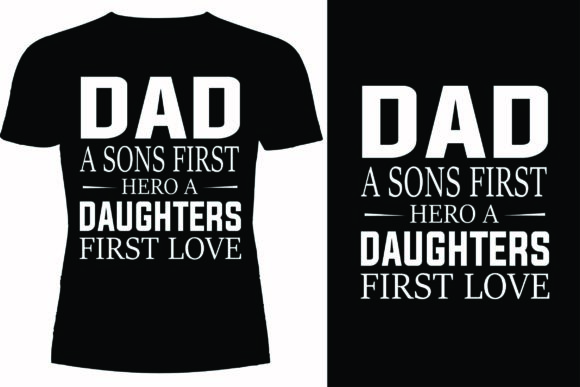
Dad T-Shirt Design: A Practical Embroidery Review
As an embroidery designer who has spent years digitizing and stitching thousands of projects, I have learned that not every graphic translates well to thread. When I first opened the Dad T-shirt Design, my immediate reaction was one of cautious optimism. The concept—labeled as a "Father Figure" funny design—promises humor and personality, which are high-value traits in the custom apparel market. However, moving from a digital mockup to a finished embroidered product requires a critical eye for detail, stitch density, and fabric compatibility.
This review is written for fellow embroidery designers, Etsy sellers, and craft business owners who need to know if this asset will hold up under the needle. We are not just looking at a pretty picture; we are evaluating a potential revenue stream for your small shop or a meaningful personalized gift for a client.
First Impressions and Visual Personality
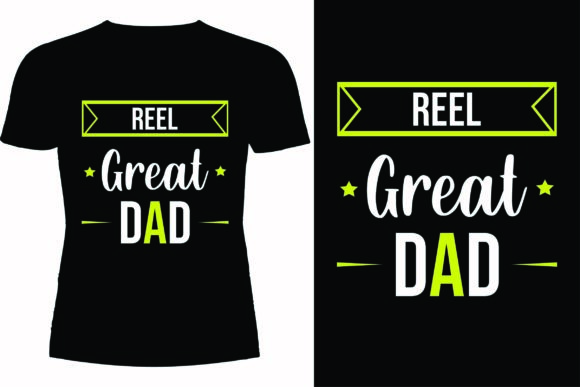
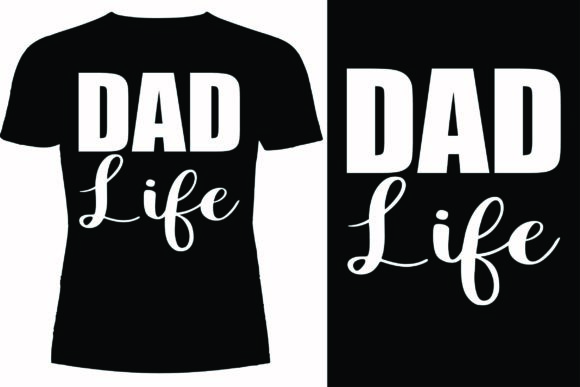
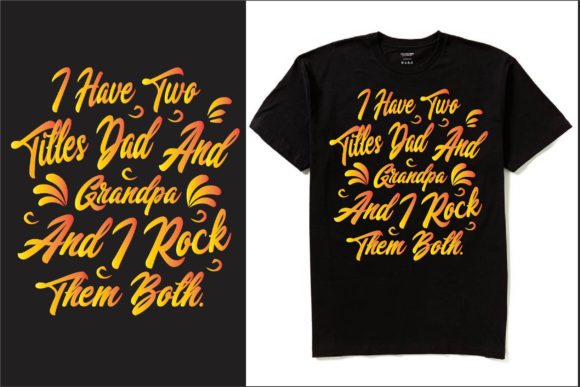
The mood of the Dad T-shirt Design is playful yet bold. It relies on strong typography and clear iconography, which is essential for readability in embroidery. Unlike intricate illustrations that get lost in translation, this design uses broad shapes and distinct lines. This visual personality suggests it belongs on items meant to be seen and appreciated from a distance, such as sweatshirts, tote bags, or statement t-shirts.
For those of us working with T-Shirt Designs and Graphics, the layout feels balanced. It does not appear overly dense, which is a common pitfall in humorous designs where text crowds the central image. The spacing allows the thread to breathe, reducing the risk of puckering on lighter fabrics. If you are creating a handmade product for a boutique, this level of visual clarity builds immediate customer trust. It looks professional, not like a hurried afterthought.
Real-World Application: The Sweatshirt Test
To truly evaluate this design, I imagined a real-life scenario: a customer ordering a custom sweatshirt embroidery for Father’s Day. They want something durable, washable, and visually striking. I placed the design mentally on a mid-weight cotton blend fleece. Here, the Dad T-shirt Design shines. The bold lines would translate beautifully into fill stitch areas for the larger graphical elements, while the text could benefit from a clean satin stitch to maintain sharp edges.
In this context, the design adds significant value to the finished product. It transforms a blank garment into a personalized gift with emotional resonance. For Etsy sellers, this type of design drives engagement because it solves a specific gifting problem: finding something funny but tasteful for dad. The humor is accessible, making it a safe bet for a wide demographic of buyers.
Navigating Fabric and Hoop Constraints
While the design is strong, it is not without its challenges. Embroidery is a tactile medium, and the substrate matters. If you plan to use this on a tote bag design made of canvas, you will need a heavy cut-away stabilizer to support the weight of the thread. The design’s size must be checked against your available hoop size. If the original file is large, scaling it down for a pocket placement on a shirt might compromise the legibility of smaller text elements.
Caution is advised when stitching on stretchy fabrics or thin materials. The stitch density of any machine embroidery design must be appropriate for the fabric texture. If this design has dense fill areas, it could cause distortion on a lightweight jersey t-shirt. In such cases, I recommend testing on scrap fabric first. Additionally, curved surfaces like caps require careful hooping. If the design is too wide, it may not fit standard cap frames without significant resizing, which could blur fine details.
Technical Considerations for Designers
Before committing to a production run, there are several technical checks you must perform. Since the product description mentions it is editable and includes a source file, you have the flexibility to adjust colors and sizes. However, always verify the thread colors against your physical inventory. A design that looks great on screen might lack contrast in real life if the thread shades are too similar.
Review the stitch types closely. Are the small details using running stitch or satin? Running stitches can disappear on textured fabrics, while satin stitches provide better coverage but can snag if too long. If the design includes tiny lettering, ensure it is above the minimum readable size for your machine. Nothing kills a sale faster than illegible text on a custom apparel item.
Furthermore, consider the washing instructions. Items like aprons or kitchen towels undergo frequent laundering. Ensure that the stitch density is secure and that you use proper stabilizers to prevent shifting. A well-executed embroidered patch or direct stitch should withstand multiple washes without fraying or losing shape.
Commercial Viability and Brand Consistency
For small shop product lines, consistency is key. Does the Dad T-shirt Design fit your brand aesthetic? If your shop specializes in minimalist, modern design assets, this funny, bold style might be an outlier. However, if your brand embraces humor and family-centric themes, it is a perfect fit. Using this design in your printable mockup previews can help customers visualize the final result, increasing conversion rates.
It is also crucial to confirm licensing terms. The description notes it is suitable for commercial use, but always double-check the specific license included with the digital embroidery file. Can you sell unlimited physical items? Can you use it in digital products? Clarifying this protects your craft business from legal issues down the line.
Final Verdict
The Dad T-shirt Design is a robust option for designers looking to add humor and heart to their portfolio. It performs best on stable, medium-to-heavy weight fabrics where its bold lines can stand out. While it requires careful attention to hoop size and stabilizer choice, the payoff is a high-quality, engaging product that resonates with buyers. Whether you are creating holiday embroidery gifts or stocking your online store, this design offers a solid foundation for a successful project. Just remember to test, adjust, and stitch with precision to deliver the best possible embroidery project to your clients.