I Do What I Want: A Designer’s Take on This Bold Cat SVG
As an embroidery designer who has spent countless hours digitizing and testing files for real-world application, I have learned that not every cute graphic translates well to thread. When I first encountered I Do What I Want, my initial reaction was one of cautious optimism. The phrase itself carries a rebellious, playful energy that resonates deeply with modern consumers, but the execution is what determines whether a design ends up as a bestseller or a scrap bin regret. This review breaks down how this specific digital asset performs when moved from the screen to the sewing machine, focusing on its viability for commercial embroidery projects and handmade goods.
First Impressions: Attitude Meets Aesthetic
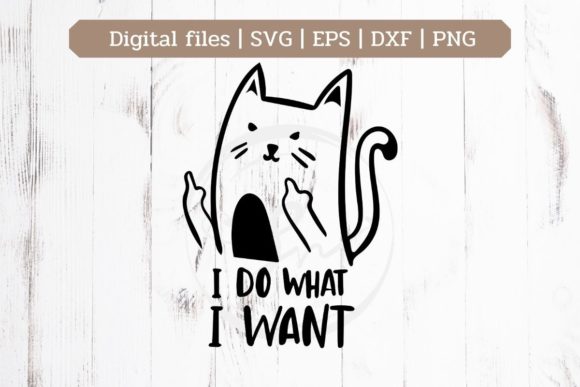
The core of this design is a funny cat face paired with the declarative statement "I Do What I Want." Visually, it falls under the category of Illustrations that rely heavily on personality rather than intricate detail. For an embroidery professional, this is often a good sign. Overly complex graphics can become muddy when stitched out, especially at smaller sizes. This design, however, relies on bold shapes and clear typography. The cat’s expression—likely featuring wide eyes or a smug grin depending on the specific variant in the pack—sets a humorous tone that appeals to a wide demographic, from teenagers to cat-loving adults.
The layout suggests a balanced composition where the text and image support each other without competing for attention. In terms of Graphics, this simplicity is crucial for stitch clarity. When I evaluate a file like this, I look for clean lines that will allow for smooth satin stitches or consistent fill stitches. The bold nature of the concept means it can stand alone as a focal point on a garment or accessory, making it a versatile addition to any digital embroidery file library.
Real-World Application: From Screen to Stitch
To truly test the value of I Do What I Want, I imagined a typical client request: a custom embroidered tote bag for a local boutique. Tote bags are popular items for Etsy sellers and small shop owners because they offer a large, flat canvas for decoration. Using this design on a heavy cotton canvas allows the stitches to sit prominently on the surface. The humor of the cat face combined with the defiant text creates an instant conversation starter, which is exactly what buyers look for in a personalized gift or impulse purchase.
Beyond totes, this design shines in custom apparel. Imagine it stitched onto the chest of a oversized sweatshirt. The casual, relaxed vibe of the message pairs perfectly with comfortable, everyday wear. For sweatshirt embroidery, the key is ensuring the design isn't too dense, which can make the fabric stiff and uncomfortable. Since this is primarily a line-art or simple fill style illustration, it likely maintains the soft hand feel of the garment, provided the digitizer has optimized the stitch density. It also works wonderfully for embroidered patches, where the bold outlines can be finished with a merrowed edge for a professional, retail-ready look.
Versatility Across Product Lines
The adaptability of this file extends to various niches within the craft business world. For baby embroidery, one might need to adjust the scale significantly, though the attitude might be better suited for older kids or pet accessories. Speaking of pets, this design is ideal for dog bandanas or cat collars, playing into the meta-humor of a cat asserting its independence. In the realm of holiday embroidery, it could be adapted for Halloween with orange and black thread colors, or used year-round for birthday gifts for the friend who always marches to the beat of their own drum.
For those running a craft business, having a mix of humorous and sentimental designs is key to maintaining customer interest. I Do What I Want fills the humorous gap effectively. It serves as a strong design asset for creating printable mockups as well, allowing sellers to showcase how the final product will look on different backgrounds before committing to production.
Technical Considerations and Potential Pitfalls
While the design is charming, practical embroidery requires a critical eye for technical limitations. One major consideration is the file format. The product description notes that you receive EPS, SVG, PNG, and DXF files. It is vital to understand that these are primarily vector and raster image formats, commonly used for cutting machines like Silhouette or Cricut. If you are planning to use this for machine embroidery, you must ensure you have the appropriate embroidery file format (such as PES, DST, or JEF) or possess the skills to digitize the SVG into a stitch file yourself. Attempting to auto-digitize a complex SVG without manual editing can lead to poor stitch quality, excessive thread breaks, and distorted shapes.
If you are working with a pre-digitized version or converting it yourself, pay close attention to stitch density on the cat’s facial features. Small details like eyes and whiskers can easily get lost if the stitches are too thick or if the hoop size is too small. I recommend testing the design on scrap fabric first, ideally using the same type of material you intend to sell. This helps you identify any pulling or puckering issues before you ruin a costly garment.
Fabric and Stabilizer Choices
The success of this design also depends heavily on the substrate. On textured fabrics like terry cloth towels or fuzzy fleece, fine details may disappear. In such cases, increasing the size of the design or simplifying the stitch types to broader satin stitches can help maintain visibility. For stretchy fabrics like jersey t-shirts, using a proper cut-away stabilizer is non-negotiable to prevent the design from warping after washing. Dark fabrics present another challenge; if the design relies on light thread colors, you may need to add an underlay or choose high-contrast thread colors to ensure the image pops.
Curved surfaces, such as caps, require careful hooping. The rigid structure of a cap front can distort wide designs. If you plan to use I Do What I Want on headwear, consider narrowing the layout or stacking the text vertically to fit within the standard cap hoop area without hitting the seams.
Enhancing Brand Value and Customer Trust
From a business perspective, the quality of your embroidery directly impacts your brand reputation. A clean, well-stitched version of this design signals professionalism. It shows that you care about the finish, not just the concept. When customers receive a handmade product that looks polished and durable, they are more likely to leave positive reviews and return for future purchases. This design, with its relatable message, encourages social sharing. Customers love posting photos of quirky, funny items on social media, which provides free marketing for your small shop product line.
Furthermore, offering this as part of a cohesive collection of Illustrations can help build brand consistency. If your shop specializes in sassy, independent-themed goods, this file fits seamlessly into that narrative. It allows you to expand your inventory without deviating from your core aesthetic, reinforcing your identity as a seller who understands their audience.
Final Verdict for Makers and Designers
In conclusion, I Do What I Want is a strong contender for any designer looking to add humor and personality to their portfolio. Its strength lies in its simplicity and emotional resonance. However, success depends on proper technical execution. Always verify the licensing terms if you plan to use this for commercial embroidery or selling finished items. Check the specific file types included to ensure they match your workflow—whether you are cutting vinyl or stitching thread. By taking the time to test on various fabrics, adjusting stabilizers, and choosing high-quality threads, you can transform this digital graphic into a standout finished product that delights customers and boosts your sales. Whether for a tote bag design, a cozy sweatshirt, or a unique patch, this cat-faced rebel has the potential to become a staple in your creative toolkit.