Reviewing Be My Quarantine for Real Embroidery Projects
As an experienced designer who has spent countless hours digitizing and stitching out thousands of designs, I approach every new machine embroidery design with a critical eye. It is not enough for a graphic to look cute on a screen; it must hold up under the needle. Recently, I evaluated Be My Quarantine, a piece that sits at the intersection of pandemic nostalgia and Valentine’s Day humor. This is not just another seasonal graphic; it is a cultural timestamp that requires careful handling to translate well into thread.
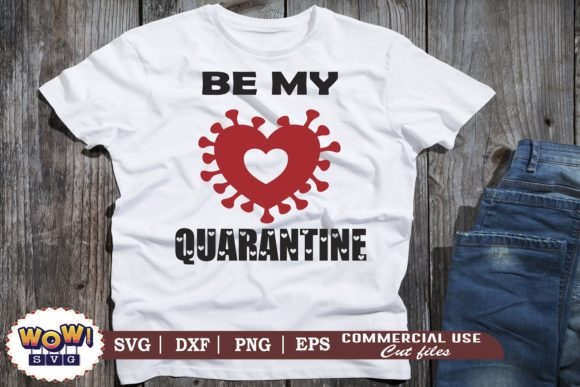
The first impression of this design is its playful irony. The phrase "Be My Quarantine" captures a specific moment in time, blending the romance of February 14 with the isolation of the global health crisis. Visually, the layout tends to be compact, which is excellent for versatility. However, from a technical standpoint, the success of this embroidery file depends entirely on how the typography interacts with any accompanying iconography, such as hearts or medical symbols often found in this genre of Illustrations and Graphics.
Real-World Application: The Custom Sweatshirt Test
To truly understand the value of Be My Quarantine, I imagined a real-life scenario involving a custom order for a local boutique. The client wanted a humorous yet sentimental gift for couples who met during lockdown. I visualized this design stitched onto a mid-weight cotton blend sweatshirt. In this context, the design needs to be legible from a distance but detailed enough to reward closer inspection.
When placing this design on a curved surface like a sweatshirt chest or a tote bag, the center alignment is crucial. If the text is too wide, it may distort when the garment is worn. A well-digitized version of this SVG-based concept should have balanced stitch density to prevent puckering. For a handmade product intended for daily wear, the design must breathe. I would recommend using a combination of satin stitch for smaller decorative elements and a clean fill stitch for larger shapes, ensuring the text remains crisp without becoming a stiff patch of thread.
Navigating Fabric and Hoop Constraints
One of the most common mistakes Etsy sellers and craft business owners make is ignoring fabric texture. Be My Quarantine likely features fine lines or small text elements. On textured fabrics like terry cloth towels or fuzzy fleece, these details can get lost. I advise testing this design on scrap fabric first, specifically matching the material of your final finished product.
If you are working with dark fabric, thread color contrast becomes your best friend. A white or bright pastel thread against navy or black cotton will make the message pop. Conversely, on light fabrics, ensure your thread colors are saturated enough to stand out. For stretchy fabrics, such as those used in baby embroidery or athletic wear, a cut-away stabilizer is non-negotiable. Without proper support, the repeated washing of a personalized gift will cause the design to warp, ruining the professional look you aim to achieve.
Small Hoops and Detailed Corners
This design is particularly well-suited for smaller hoop sizes, making it ideal for embroidered patch projects or cap fronts. However, small hoops mean less margin for error. Check the digitizing closely for jump stitches and trim points. If the design includes tiny hearts or intricate font serifs, verify that they are not too dense. High density in small areas can lead to needle breaks or thread bunching. A skilled digitizer will use running stitch outlines to define shapes before filling them, ensuring clarity even at a reduced scale.
Commercial Viability and Brand Consistency
For small shop product lines, consistency is key. Be My Quarantine offers a unique selling point because it taps into shared history. It is not just a holiday item; it is a conversation starter. When used in commercial embroidery, it adds personality to otherwise standard items like aprons or kitchen towels. However, remember that trends fade. While this design has lasting nostalgic value, it should be part of a broader collection rather than your entire inventory.
Buyer engagement often hinges on presentation. Use high-quality printable mockup images to show how the design looks on various items. Show it on a tote bag design for a casual look, or on a structured cap for a sporty vibe. This helps customers visualize the custom apparel in their own lives. Professionalism in your listing photos builds trust, suggesting that the physical embroidery project will match the digital promise.
Technical Checklist for Designers
Before you commit to stitching out Be My Quarantine for a client or your own inventory, run through this practical checklist:
- Verify File Formats: The listing mentions a ZIP folder containing SVGs, but for machine embroidery, ensure you have the correct DST, PES, or JEF files compatible with your specific machine.
- Check Licensing: Confirm whether the license allows for commercial use of finished items. Many digital sellers allow you to sell the physical embroidered product but prohibit reselling the digital file itself.
- Test Stitch Density: Run a test stitch on similar fabric to check for puckering. Adjust tension if necessary.
- Evaluate Legibility: Step back five feet from your hoop. Can you read the text clearly? If not, consider increasing the size or simplifying the font weight.
- Color Planning: Plan your thread palette in advance. Limit colors to reduce thread changes and production time, which is vital for maintaining profit margins in a craft business.
Final Thoughts on Design Assets
In the world of design assets, Be My Quarantine stands out as a clever, timely piece that bridges humor and affection. It is not merely a pandemic svg or a generic Valentines day svg; it is a specific cultural artifact that resonates with a wide audience. For the embroidery designer, it offers a chance to create something meaningful and memorable. Whether you are creating a holiday embroidery gift for a friend or stocking your online store with unique apparel decorators items, this design holds potential.
Remember, the quality of the final product reflects your skill. Take the time to prep your fabric, choose the right stabilizer, and stitch with care. When done correctly, this design transforms a simple piece of cloth into a cherished keepsake. It proves that even in times of distance, connection through craft remains powerful. As you integrate this into your portfolio, let it remind you that good design is not just about aesthetics, but about emotional resonance and technical precision.