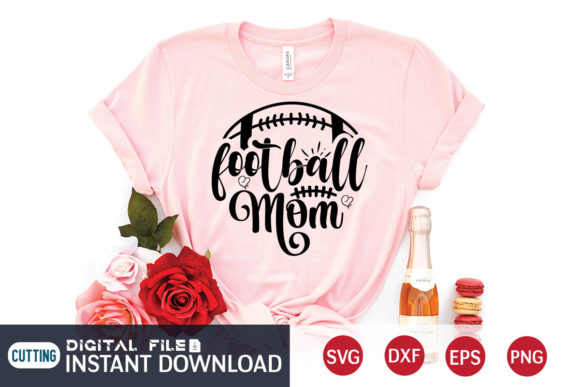
Review: Football Mom SVG for Embroidery Projects
As a designer who has spent countless hours digitizing and stitching out files for clients, I approach every new Football Mom Svg, Funny Mom Svg with a critical eye. It is not enough for a design to look cute on a screen; it must survive the needle, the hoop, and the wash cycle. When I first opened the folder for this specific set of Graphics, my immediate concern was how these vector shapes would translate into thread. The promise of "word by layer" SVG files suggests a level of organization that is crucial for both cutting machines and embroidery software, but the real test is always in the stitching.
First Impressions and Design Personality
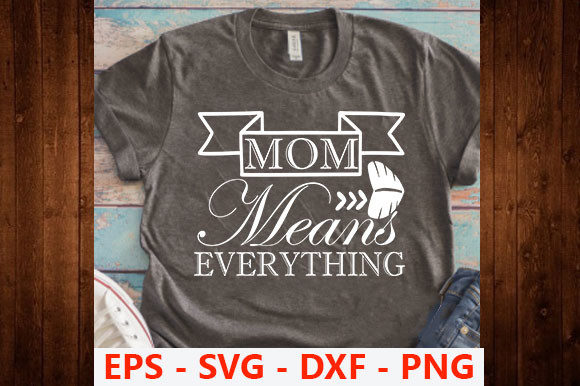
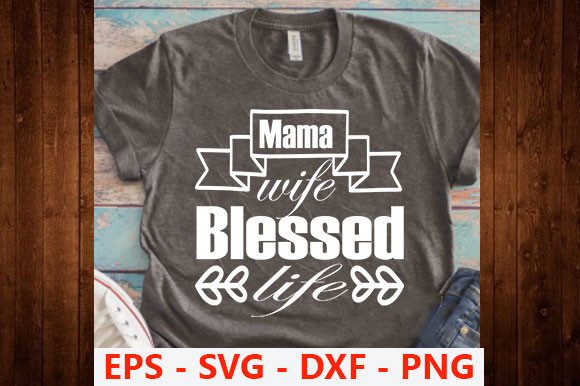
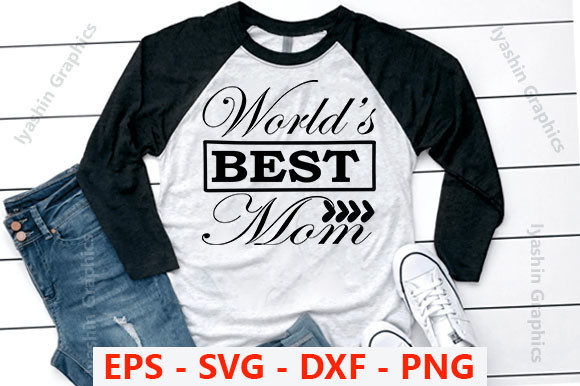
The mood of this design is playful yet bold, which is exactly what modern T-Shirt Designs require to stand out in a crowded market. The layout feels balanced, avoiding the cluttered look that plagues many novelty files. For an embroidery project, clarity is king. If the lines are too thin or the details too intricate, they get lost in the fabric texture. This design appears to have sufficient weight in its strokes, suggesting it will hold up well when converted from a digital outline to a physical machine embroidery design.
I appreciate designs that do not try to do too much. A Funny Mom Svg needs to be legible from a distance, especially when applied to items like tote bags or sweatshirts where the viewer might be several feet away. The visual personality here leans towards approachable and spirited, making it a strong candidate for boutique branding or personalized gifts.
Real-World Application: The Custom Sweatshirt Test
To truly evaluate this file, I imagined a specific real-life scenario: a custom order for a local high school booster club. The client wanted ten matching sweatshirts for the moms of the varsity team. They needed something that looked professional but retained that handmade charm. Using this Football Mom Svg, Funny Mom Svg as the base, I considered how it would sit on a mid-weight cotton blend fleece.
In this context, the design shines. It is large enough to make a statement on the chest or back of a garment without requiring excessive stitch counts that could stiffen the fabric. For a sweatshirt embroidery project, you want the design to feel integrated into the garment, not just slapped on top. The open areas in the lettering allow the fabric to breathe, preventing that heavy, cardboard-like feel that dense fill stitches can create.
Navigating Fabric and Hoop Constraints
While the design is versatile, there are places where caution is necessary. If you are planning to use this on a curved surface, such as a cap, you must be mindful of the hoop size and the distortion that occurs on structured fronts. A cap requires a different stabilization strategy than a flat towel. For this design, I would recommend testing it on a scrap piece of similar material first. Check if the smaller details, such as any exclamation points or decorative elements within the Graphics, pull or distort on stretchy fabrics.
Textured fabrics present another challenge. If you are stitching this onto a terry cloth tote bag design or a waffle-knit apron, the background texture can interfere with the visibility of the stitches. In these cases, using a contrasting thread color is essential. A light thread on dark fabric, or vice versa, ensures the embroidery file remains readable. Always inspect the design in black and white mockups before committing to thread colors. This simple step reveals whether the contrast is sufficient for the intended finished product.
Technical Considerations for Digitizers
Since the product description specifies that you receive SVG, DXF, and EPS files, it is important to note that these are vector graphics, not native embroidery formats like PES or DST. This means you, or your digitizer, will need to convert these shapes into stitch data. This is actually a benefit for experienced users. Having the "word by layer" structure allows for precise control over stitch types. You can decide which parts should be a satin stitch for a shiny, raised look, and which should be a fill stitch for broader coverage.
Pay close attention to stitch density during the digitizing phase. Over-digitizing can lead to puckering, especially on thinner materials like baby clothes. For a baby embroidery item, such as a onesie or burp cloth, I would recommend simplifying the design slightly or using a lighter stabilizer to ensure comfort against sensitive skin. The goal is to maintain the integrity of the Funny Mom Svg while ensuring the garment remains wearable.
Commercial Viability and Brand Consistency
For Etsy sellers and small shop owners, the value of a design lies in its versatility. This Football Mom Svg, Funny Mom Svg fits seamlessly into several niches: holiday gifts, game day apparel, and even nursery decor if styled correctly. It enhances customer trust because it looks intentional and well-crafted. A sloppy or poorly scaled design can damage a brand’s reputation, but a clean, well-executed stitch-out reinforces professionalism.
When creating printable mockup assets for your online store, ensure the digital representation matches the physical reality. Customers expect the handmade product they receive to look like the photos. Use high-quality images that show the texture of the thread and the precision of the stitches. This transparency builds buyer engagement and reduces return rates.
Final Designer Notes
Before launching this design into your commercial lineup, confirm the licensing terms. While the file includes various vector formats, ensure you have the right to sell finished items made with the embroidered version. Always test on scrap fabric first. Check thread color contrast against both light and dark backgrounds. Verify that your hoop size accommodates the full design without needing to split it, which can complicate the alignment process.
This design assets package offers a solid foundation for creative entrepreneurs. Whether you are making a single personalized gift for a friend or stocking inventory for a craft fair, the key is in the execution. Treat the vector files as a starting point, not the final answer. Adjust, test, and refine. The result will be a custom apparel piece or home good that stands out for its quality and charm, proving that even a simple phrase can become a standout feature when handled with care.