Reviewing the Dad Life Embroidery Design for Real Projects
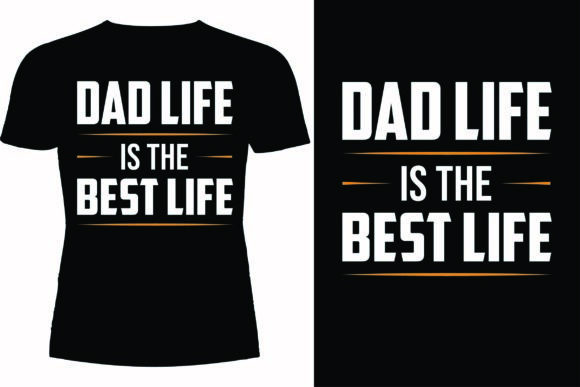
As a designer who has spent countless hours digitizing and stitching out files for clients, I have learned that not every graphic translates well to thread. When I first pulled up the Dad Life is the Best Life T-shirt Design, my initial reaction was cautious optimism. The phrase carries a warm, humorous weight that resonates deeply with the current market for personalized gifts. However, knowing that this asset is marketed primarily as a high-resolution picture and CMYK print-ready file rather than a pre-digitized embroidery file, I approached it with a critical eye toward how it would perform under the needle.
First Impressions and Visual Personality
The mood of this design is instantly recognizable. It balances the ruggedness often associated with fatherhood with a touch of playful sentimentality. Visually, the layout suggests a bold, centered composition that demands attention without being overly cluttered. For an embroidery project, this is a double-edged sword. Bold themes look fantastic on finished products, but they require careful handling to ensure the text remains legible and the graphical elements do not become a dense mass of thread.
When evaluating T-Shirt Designs and Graphics for conversion, I look for clear separation between elements. This design’s strength lies in its straightforward message. It does not rely on intricate shading or microscopic details, which makes it a strong candidate for adaptation into a machine embroidery design. The visual personality feels at home on casual wear, suggesting durability and comfort—key traits for any item meant to be worn by an active parent.
Real-World Application: The Custom Sweatshirt Test
To truly understand the value of this asset, I imagined a specific real-life scenario. A local boutique owner approached me with a request for a line of holiday embroidery gifts. She wanted something that appealed to new fathers and seasoned dads alike. I envisioned using this concept on a heavyweight cotton sweatshirt. The texture of the fleece provides a stable base, allowing the stitches to sit proudly on the surface without sinking in.
In this context, the design would likely need to be scaled up to fit a 5x7 or 6x10 hoop size. On a sweatshirt, a larger scale ensures that the lettering remains crisp. If I were stitching this as a custom apparel piece, I would recommend using a satin stitch for the borders of any graphical icons and a fill stitch for larger solid areas, keeping the text in a clean, readable font style. The result would be a tactile, high-quality finished product that feels substantial and valuable to the customer.
Versatility Across Product Lines
Beyond sweatshirts, this design has significant potential across various handmade products. For an Etsy seller looking to expand their catalog, this theme works exceptionally well on tote bag designs. Canvas totes are durable and flat, making them ideal for testing new embroidery files. The contrast of bright thread colors against natural canvas creates a rustic, artisanal look that buyers love.
It also translates well to baby embroidery projects, such as bibs or onesies, provided the scale is reduced appropriately. However, one must be cautious with small hoop sizes. If the design is shrunk too much, the tiny details in the "Father Figure" aspect might merge, losing clarity. For smaller items like caps or hats, the curved surface presents a challenge. I would advise using a stiff stabilizer to prevent puckering and ensuring the design width does not exceed the comfortable stitching area of the cap frame.
Technical Considerations for Stitching Success
Since the product description highlights features like editable source files and high-resolution pictures, it is crucial to understand that this is likely a graphic asset first. Before running this through your embroidery machine, you must digitize it properly or hire a professional digitizer. Do not assume that a print-ready CMYK file will automatically convert to a clean embroidery file.
Here are practical notes for any craft business owner planning to use this design:
- Test on Scrap Fabric: Always stitch out a test sample on the same fabric type you intend to use for the final product. This helps you identify issues with thread tension and registration.
- Check Thread Color Contrast: Ensure your thread colors stand out against the fabric. For dark fabrics, use lighter threads or consider adding an underlay stitch to boost visibility.
- Review Stitch Density: High-density stitching can cause fabric to pucker or tear, especially on thinner materials. Adjust your density settings to balance coverage with fabric integrity.
- Inspect Small Details: Zoom in on the digital preview. Are there any elements that are too small to stitch reliably? Simplify complex corners to prevent thread breaks.
- Use Proper Stabilizer: Match your stabilizer to your fabric. Cut-away stabilizers are best for stretchy fabrics like t-shirts, while tear-away works well for stable woven materials.
Navigating Fabric and Hoop Limitations
While this design is versatile, there are situations where it should be used carefully. Textured fabrics, such as thick terry cloth towels or fuzzy blankets, can obscure fine details. In these cases, increasing the stitch count slightly or using a heavier weight thread might help the design pop. Conversely, on thin, stretchy fabric, excessive stitch density can lead to distortion. I always recommend using a water-soluble topping when embroidering on textured or pile fabrics to keep the stitches sitting on top of the fibers.
Another consideration is the washing durability. Items like aprons and kitchen towels undergo frequent laundering. To maintain the professionalism of your handmade product, ensure that your tie-offs are secure and that you use high-quality polyester threads that resist fading. A poorly stitched design can unravel after a few washes, damaging your brand consistency and customer trust.
Commercial Value and Brand Consistency
For small shop owners and creative entrepreneurs, the appeal of the Dad Life is the Best Life T-shirt Design lies in its emotional connection. It is not just a graphic; it is a statement. When executed well, it enhances the perceived value of the item. Customers are willing to pay more for personalized gifts that show attention to detail and quality craftsmanship.
However, before selling finished items or digital embroidery files derived from this graphic, you must confirm licensing terms. Just because a file is editable does not mean it is free for commercial embroidery use. Check the license agreement carefully. If you are creating a printable mockup for your online store, ensure that the digital representation accurately reflects the stitched reality. Misleading previews can lead to returns and negative reviews.
In conclusion, this design offers a solid foundation for a variety of embroidery projects, from holiday embroidery gifts to everyday custom apparel. By respecting the technical limitations of embroidery machines and focusing on high-quality execution, you can turn this graphic into a standout bestseller. Whether you are an experienced digitizer or a hobbyist just starting with machine embroidery, taking the time to plan your stitch path and fabric choice will ensure that the final product honors the sentiment of the design.