Reviewing the FUNNY Logo Illustration Vector for Embroidery
As a designer who spends half my life digitizing artwork and the other half watching needles punch through fabric, I have learned to be skeptical of generic design assets. We often browse marketplaces looking for that perfect Graphic Templates solution, hoping to save time on client projects or personal crafts. Recently, I downloaded the FUNNY Logo Illustration Vector to evaluate its potential not just as a digital graphic, but as a viable candidate for real-world stitching. The promise of a vector-based, editable asset is enticing, but does it hold up when translated into thread?
First Impressions: Mood and Visual Personality
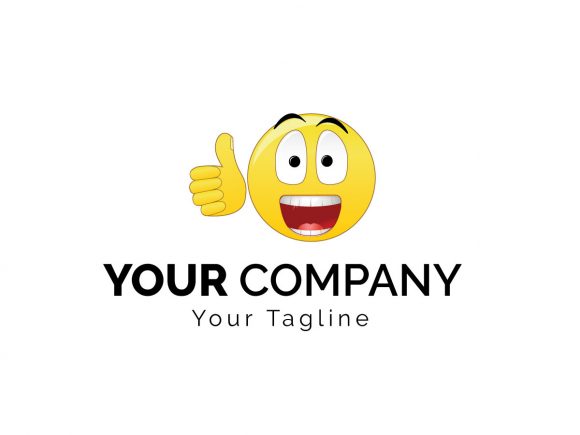
Upon opening the file, the first thing that strikes you is the playful energy. The term "funny" in the title is not misleading; the illustration carries a whimsical, lighthearted mood that immediately suggests approachability. For embroidery designers, this is crucial. A design intended for a custom apparel line or a boutique brand needs to communicate personality instantly. The shapes are bold and the layout feels balanced, avoiding the cluttered look that often plagues low-quality stock art.
The visual personality here is clean yet expressive. It does not rely on excessive gradients or complex shading, which is a relief for anyone planning to convert this into a machine embroidery design. Complex digital effects rarely translate well to thread, but this illustration’s reliance on solid forms and clear lines suggests it will digitize cleanly. It feels like a design that belongs on a tote bag design for a local coffee shop or a quirky sweatshirt embroidery piece for a creative agency’s team uniform.
Real-World Application: From Screen to Stitch
To test its viability, I imagined a specific scenario: a small business owner launching a line of eco-friendly canvas totes. They need a logo that stands out but remains legible from a distance. The FUNNY Logo Illustration Vector fits this bill perfectly. Because the product description highlights that it is a full vector SVG and EPS, resizing is seamless. This is critical for embroidery. Whether you are scaling it down for a left-chest logo on a polo shirt or enlarging it for a back patch on a denim jacket, vector integrity ensures no pixelation.
However, moving from a vector file to an embroidery file requires careful consideration of stitch types. The bold areas of this illustration would likely benefit from a fill stitch to provide coverage and texture, while the outlines might require a satin stitch or a running stitch depending on the width. If you are an Etsy seller creating personalized gift items, such as baby onesies or kitchen towels, the simplicity of this design allows for quick stitching times, which directly impacts your profit margin.
Versatility Across Products
This design is not limited to apparel. I can see it working exceptionally well as an embroidered patch, where the dense stitching adds durability and a premium feel. For holiday embroidery projects, changing the thread colors to seasonal palettes could transform the same asset into a festive item without altering the core shape. It also serves as a strong foundation for digital embroidery file sellers who want to offer a base design that customers can customize. The ability to change text, as noted in the specifications, adds significant value for those offering monogrammed or named items.
Technical Considerations and Potential Pitfalls
While the design is promising, there are areas where caution is necessary. As an experienced reviewer, I must point out that "ready to change text" in a vector format does not automatically mean the embroidery digitization will be straightforward. If the text elements are small or intricate, they may become illegible when stitched onto textured fabrics like terry cloth or fleece.
Stitch density is another factor. If the original vector has large solid blocks, converting them directly to fill stitches without proper underlay can cause puckering, especially on lightweight materials. I recommend testing the design on scrap fabric first. Pay close attention to how the thread interacts with the fabric texture. On dark fabrics, you may need to adjust thread colors significantly to maintain contrast, as the playful nature of the design relies on visibility.
Additionally, consider the hoop size constraints. If you are working with smaller hoops, such as those used for caps or baby items, you may need to simplify certain details. Curved surfaces like caps present their own challenges; designs that are too wide can distort when wrapped around the crown. Always inspect small details and corners to ensure they do not turn into tangled nests of thread during high-speed stitching.
Enhancing Brand Value and Customer Trust
Using high-quality assets like the FUNNY Logo Illustration Vector contributes to the overall professionalism of your craft business. Customers can sense quality. A crisp, well-stitched logo builds trust and encourages repeat purchases. For small shop product lines, consistency is key. This vector allows you to maintain brand consistency across various mediums, from printed packaging to embroidered merchandise.
When creating printable mockup previews for your online store, the high resolution of the vector ensures your digital images look sharp. This enhances buyer engagement and helps customers visualize the finished product. Whether you are selling design assets to other creators or finished handmade goods, the clarity of the source file reflects the care put into the final item.
Practical Designer Notes for Implementation
Before committing to a large production run, follow these practical steps:
- Test on Scrap Fabric: Always stitch a sample on the actual material you intend to use. Check for puckering or thread breaks.
- Check Thread Color Contrast: Ensure the chosen thread colors stand out against the background fabric. Use black and white mockups to verify value contrast.
- Review Stitch Density: Adjust density settings in your digitizing software to prevent fabric distortion, especially for larger sizes.
- Confirm Hoop Size: Ensure the design fits comfortably within your machine’s hoop, leaving room for stabilization.
- Use Proper Stabilizer: Select the right stabilizer cut-away or tear-away based on the fabric stretch and weight.
- Verify Licensing: Although the file is editable, always confirm the license terms for commercial use before selling finished items or redistributing the digital file.
In conclusion, the FUNNY Logo Illustration Vector is a versatile asset for any designer’s toolkit. It bridges the gap between digital flexibility and tactile craftsmanship. By understanding its strengths and respecting the technical limits of embroidery, you can create stunning, professional-grade products that resonate with customers. Whether you are a hobbyist making gifts or a professional managing client orders, this design offers a solid foundation for creative expression.