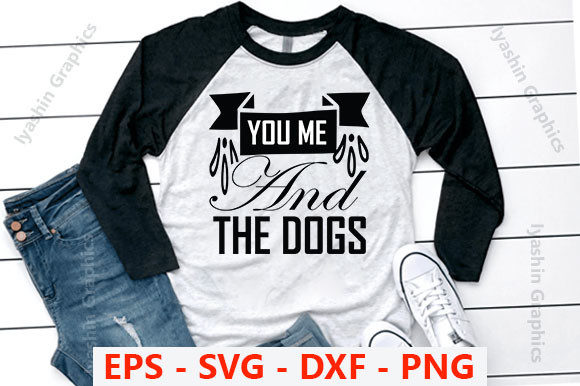
Reviewing the Funny Mom You Me and the Dogs Design
As a designer who spends more time staring at stitch maps than actual fabric, I have learned to be skeptical of cute concepts. The market is flooded with generic phrases, but every so often, a design lands that balances humor with genuine aesthetic appeal. The Funny Mom Design, You Me and the Dogs is one such asset. It captures a specific, relatable mood that resonates deeply with modern pet owners and parents alike. When I first pulled up the files to evaluate them for a potential client project, I was not just looking for a pretty picture; I was looking for viability. Could this translate from a screen to a sweatshirt without losing its charm? Would it hold up on a textured tote bag? Here is my practical breakdown of how this graphic performs in real-world embroidery scenarios.
First Impressions and Visual Personality
The immediate impression of this design is warmth mixed with playful chaos. The layout typically features a balanced composition that prioritizes readability while maintaining a whimsical touch. For embroidery, this is crucial. Overly complex illustrations often turn into muddy blobs once the needle hits the fabric. This design, however, relies on clear shapes and distinct lines. The theme suggests a lifestyle that is messy, loving, and centered around canine companions. It does not scream for attention with neon colors or aggressive fonts; instead, it invites a smile. This subtle confidence makes it versatile. It fits naturally into the category of T-Shirt Designs but elevates itself when applied to higher-quality blanks like heavy cotton hoodies or canvas bags.
Real-World Application: The Custom Sweatshirt Test
To truly test the Funny Mom Design, You Me and the Dogs, I imagined a specific use case: a custom order for a local boutique selling personalized gifts. The client wanted a unisex sweatshirt that felt premium, not like a cheap promotional item. I selected a heather grey fleece-backed sweatshirt as the base. The neutral background allowed the thread colors to pop without competing with the fabric pattern.
In this context, the design shined. The spacing between the text elements and the graphical components provided enough room for proper stitch density. If the elements were too close, the fabric would pucker. Here, the breathing room allowed for a clean finish. I used a standard satin stitch for the lettering to give it a raised, tactile feel, while opting for a fill stitch for any solid graphical elements to ensure coverage. The result was a handmade product that looked professional and durable. Customers do not just buy the design; they buy the feeling of being understood. This design delivers that emotional connection, which is the cornerstone of successful Etsy seller strategies.
Navigating Fabric and Hoop Constraints
While the design is robust, it is not immune to the physical limitations of embroidery machines. One must consider the hoop size carefully. If you are working with a 4x4 inch hoop, you may need to scale the design down significantly, which could compromise the legibility of smaller details. I recommend using a 5x7 or larger hoop if possible to maintain the integrity of the original proportions.
Fabric texture also plays a pivotal role. On smooth cotton or polyester blends, the machine embroidery design will look crisp. However, on textured fabrics like terry cloth towels or waffle-knit aprons, the finer details might get lost. In such cases, increasing the stitch count slightly or using a thicker thread can help the design stand out. Conversely, on stretchy fabrics like jersey knits, proper stabilization is non-negotiable. Without a cut-away stabilizer, the tension from the stitches could distort the garment, ruining the alignment of the "You Me and the Dogs" text. Always test on scrap fabric first. This simple step saves hours of frustration and protects your reputation as a craft business owner.
Color Theory and Thread Selection
The versatility of this graphic lies in its adaptability to different color palettes. For a classic look, black thread on white fabric offers high contrast and timeless appeal. For a softer, more boutique feel, consider using tonal threads. A navy design on a light blue shirt creates a sophisticated, understated vibe. When selecting thread colors, think about the end user. Dog lovers often appreciate earth tones, muted pastels, or bold primaries depending on their personal style.
Avoid using too many color changes if you are producing these in bulk for a small shop product line. Each stop adds time and potential for error. Stick to two or three colors maximum to keep production efficient. If the design includes intricate shading, simplify it. Embroidery is not printing; it relies on optical mixing and texture. A well-executed satin stitch border can define shapes better than complex internal detailing.
Commercial Viability and Licensing Considerations
For commercial embroidery projects, understanding the file types is essential. The ZIP file contains EPS, SVG, PNG, and DXF files. It is important to note that these are primarily vector and raster graphics formats, commonly used for cutting machines, printing, or digital design work. If you are using a dedicated embroidery machine, you will likely need to digitize these files or convert them into a native embroidery format compatible with your specific machine software.
Before selling any finished product, always verify the licensing terms associated with the design assets. Some creators allow unlimited commercial use for physical items, while others restrict digital resale. Since this package includes digital embroidery file alternatives like SVG and DXF, it is perfect for hybrid businesses that offer both printed and embroidered goods. This flexibility allows you to create matching sets, such as an embroidered tote bag paired with a printed sticker, enhancing the perceived value of your personalized gift offerings.
Final Verdict for Makers and Designers
The Funny Mom Design, You Me and the Dogs is a strong contender for any maker’s library. It is not just a graphic; it is a conversation starter. It works exceptionally well for holiday embroidery gifts, birthday presents for dog moms, or even as part of a bridal party suite where the bride is a devoted pet parent. Its strength lies in its simplicity and emotional resonance.
However, success depends on execution. Pay attention to your stabilizer choice, respect the limits of your hoop size, and choose thread colors that complement rather than clash with the fabric. Whether you are creating a single embroidered patch for a jacket or a full run of sweatshirt embroidery for a local event, this design holds up under scrutiny. It bridges the gap between fun and professional, making it a reliable choice for design assets that need to perform in the real world. Treat it with care, test it thoroughly, and it will become a staple in your portfolio of trusted designs.