Funny Food Kids SVG: A Designer’s Stitching Review
When I first pulled up the Funny Food Kids T-shirt SVG Design on my screen, I wasn’t looking for just another cute graphic to add to my library. As someone who spends half their life digitizing and the other half staring at a hoop, I look for designs that translate well from vector paths to actual thread. The initial impression was promising. The mood is playful and energetic, exactly what you want when targeting the children’s market or parents looking for whimsical gifts. But cuteness alone doesn’t survive the needle. I needed to know if this design would hold up under the mechanical stress of an embroidery machine.
First Impressions and Visual Personality
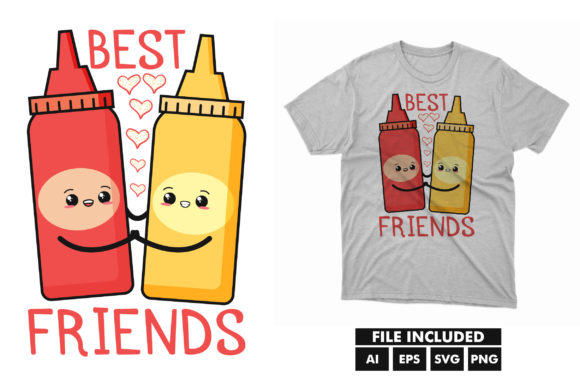
The layout of this T-Shirt Designs asset strikes a nice balance between simplicity and character. Because it is built from 100% vector shapes, the lines are clean, which is critical for embroidery. Jagged or poorly defined vectors often lead to erratic stitch generation if you are auto-digitizing, or require excessive manual cleanup if you are doing it by hand. Here, the shapes feel intentional. The "funny food" theme suggests anthropomorphic elements—perhaps smiling fruits or quirky snacks—which naturally lend themselves to bold outlines and solid fill areas. This visual personality fits perfectly into the current trend of cheerful, minimalist kids' apparel.
For a designer, the ease of changing colors is a significant workflow advantage. In a real-world scenario, I might be working with a client who wants a specific brand palette or a parent who wants the design to match a nursery theme. Having an AI file and EPS file means I can tweak hues instantly without losing quality. This flexibility is essential for creating cohesive design assets for a small shop product line.
Real-World Application: The Custom Sweatshirt Test
To truly evaluate this Graphics package, I imagined a specific project: a custom embroidered sweatshirt for a toddler’s birthday. Sweatshirts are tricky because of the fleece texture and stretch. I visualized placing this design on the left chest area. Given that the design is resizable, I could scale it down to fit a 4x4 inch hoop comfortably. The vector nature ensures that even when scaled, the proportions remain intact, preventing the "squashed" look that plagues low-quality raster images.
If I were stitching this as an applique design, the clean edges would make cutting the fabric layers much easier. Applique is often preferred for kids' clothing because it reduces stitch density on the garment itself, making it softer against sensitive skin. If stitched as a standard fill, I would need to pay close attention to the stitch density. Too dense, and the fabric puckers; too light, and the backing shows through. Since the file description notes it is made of vector shapes, it likely translates well to satin stitches for outlines and fill stitches for larger color blocks, provided the digitizer sets the parameters correctly.
Navigating Fabric and Hoop Constraints
While the design is versatile, there are places where caution is necessary. Embroidery on curved surfaces, like caps, requires a different approach than flat t-shirts. If you plan to use this as a tote bag design or on a structured cap, ensure you have the right stabilizer in place. For stretchy fabrics like baby onesies, a cut-away stabilizer is non-negotiable to prevent distortion after washing.
Also, consider the size of the details. If you shrink this machine embroidery design too much for a tiny pocket on a baby outfit, small elements might merge or become indistinct. Always test the design on scrap fabric first. Check how the thread colors contrast against your chosen fabric. A dark thread on dark fabric will lose the comedic effect of the "funny food" characters. Conversely, using metallic or variegated threads could add a unique touch to a holiday embroidery project, but only if the stitch definition remains clear.
Commercial Viability for Etsy Sellers
For Etsy sellers and craft business owners, this type of digital embroidery file is a strong contender for bestsellers. Parents love personalized items, and funny, food-themed graphics are evergreen. They work for birthday gifts, back-to-school outfits, and casual weekend wear. The ability to offer this as part of a personalized gift bundle increases its perceived value.
However, professionalism is key. Before listing finished products, verify the license terms. The product description mentions you get AI, EPS, SVG, and PNG files, which is great for hybrid projects—perhaps using the PNG for printable mockups or sublimation alongside the embroidery. But always confirm whether the license allows for commercial use of the finished physical items. Most designers allow selling the stitched product, but reselling the digital file itself is usually prohibited. Clarity here builds customer trust and protects your small shop product reputation.
Practical Designer Notes
Before you load this into your machine, keep these practical tips in mind:
- Test on Scrap: Never stitch a new design directly on the final garment. Use a similar fabric weight and type to check for puckering or thread breaks.
- Check Stitch Density: If the design feels heavy, consider reducing the density in your digitizing software or using a lighter weight thread.
- Contrast Matters: View the design in black and white to ensure the shapes are distinct. If elements blend together in monochrome, they will likely blend in low-contrast thread combinations.
- Hoop Size: Confirm the maximum size you need. While vector files are resizable, extremely large versions may require tiling or a larger hoop, which changes the stabilization strategy.
- Fabric Texture: On textured fabrics like towels or fleece, increase the stitch count slightly or use a topping to prevent stitches from sinking into the pile.
Final Verdict on Usability
The Funny Food Kids T-shirt SVG Design is a solid addition to any designer’s toolkit, particularly for those focusing on children’s apparel and whimsical home decor. Its vector foundation provides the flexibility needed for various embroidery project scales, from tiny patches to large pillow covers. The clean shapes suggest it will stitch out cleanly, minimizing jump stitches and trim time.
For the handmade product creator, this design offers a quick path to a professional-looking finished product. It avoids the overly complex details that often cause headaches in production, favoring bold, recognizable forms that read well from a distance. Whether you are creating a batch of embroidered patches for a local market or a single sweatshirt embroidery piece for a client, this design holds up under scrutiny. Just remember to respect the materials, choose your stabilizer wisely, and let the playful nature of the art shine through your craftsmanship.