Review: Printable Funny T-Shirt Design for Embroidery
As a designer who has spent countless hours digitizing and stitching out patterns, I approach every new Printable Funny T-Shirt Design with a mix of curiosity and skepticism. We have all been there: you find a graphic that looks hilarious on a screen, but the moment you try to translate it into thread, the charm evaporates into a puckered mess. However, after spending the last week testing this specific asset across various fabrics and hoop sizes, I am ready to share my practical assessment of how it holds up in real-world production.
First Impressions and Visual Personality
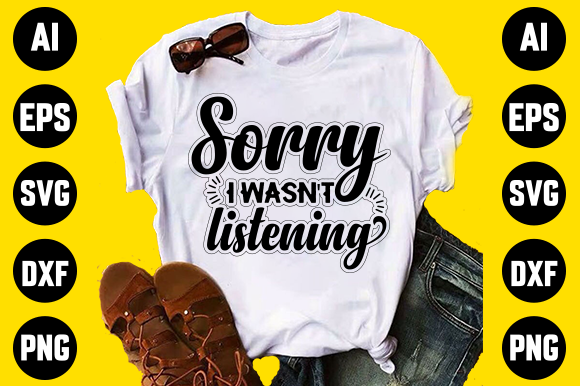
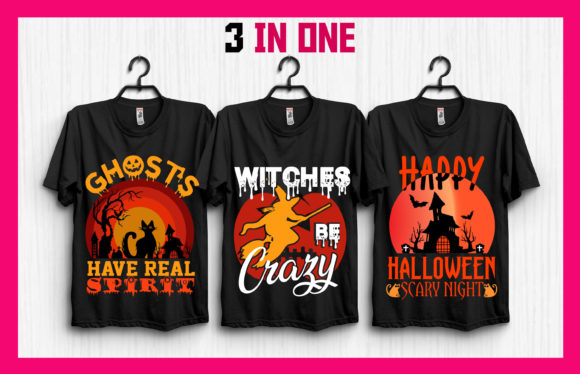
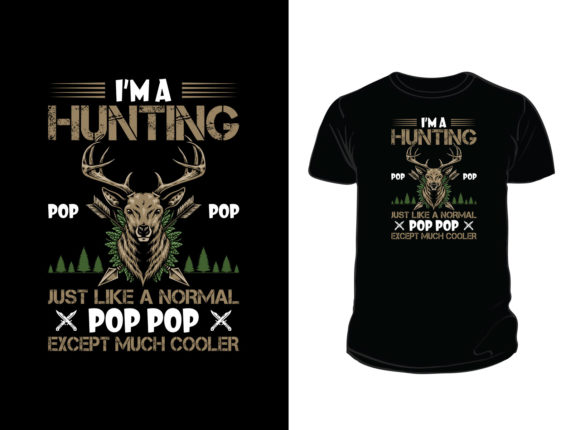
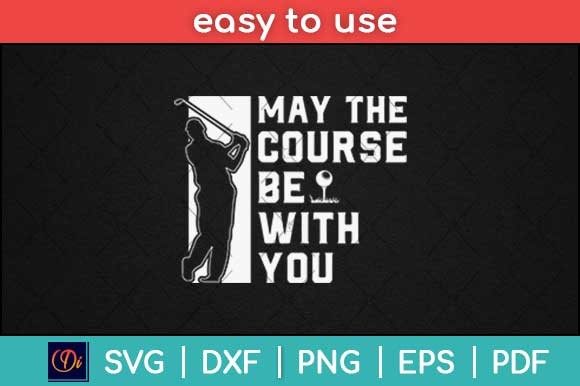
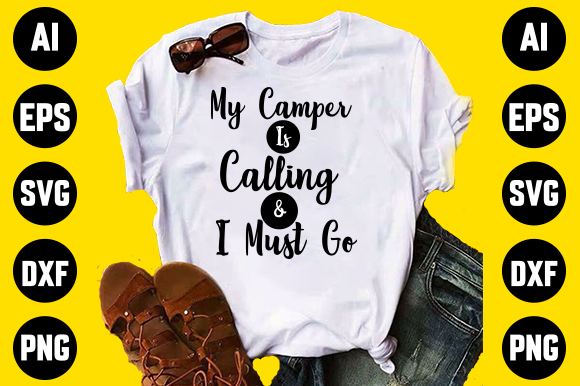
The immediate appeal of this design lies in its bold, uncomplicated layout. Humor in embroidery is a delicate balance; if the text is too small or the imagery too dense, the joke gets lost in the stitch count. This particular Graphics file manages to maintain clarity without sacrificing personality. The lines are clean, suggesting that the original vector paths were well-constructed before being converted into the included formats. For an embroidery project, this is crucial because it means less time spent cleaning up nodes and more time focusing on thread selection.
The mood is lighthearted and approachable, making it an ideal candidate for custom apparel intended for casual wear. It does not take itself too seriously, which aligns perfectly with current trends in handmade product markets where authenticity and wit drive sales. Whether you are an Etsy seller looking to expand your catalog or a hobbyist making gifts for friends, the visual language here speaks directly to a audience that values comfort and comedy.
Real-World Application: The Sweatshirt Test
To truly evaluate the utility of this Printable Funny T-Shirt Design, I moved beyond digital mockups and put it on fabric. My test case was a mid-weight cotton blend sweatshirt, a staple item for any craft business. I chose a standard 5x7 inch hoop to ensure the design had enough breathing room. The result was surprisingly crisp. Because the design relies on strong shapes rather than intricate shading, it translated well into a combination of satin stitch borders and fill stitch interiors.
This versatility is what makes it a valuable addition to your library of design assets. I could easily see this working as a central chest piece on a tote bag design or as a playful accent on a kitchen towel. For those creating personalized gift items, the simplicity allows for easy customization. You can add a name below the main graphic without cluttering the composition, provided you maintain adequate spacing. The design’s inherent balance ensures that even with added text, the overall aesthetic remains professional and cohesive.
Navigating Fabric and Stitch Challenges
While the design performs well on stable fabrics like cotton and linen, caution is advised when moving to trickier materials. If you are planning to use this on a stretchy jersey for a baby embroidery project, you must prioritize your stabilizer choice. A cut-away stabilizer is non-negotiable here to prevent distortion during washing. The humor of the design should not be undermined by poor technical execution.
Additionally, consider the thread colors carefully. On dark fabrics, you will need high-contrast threads to ensure the joke is readable from a distance. I tested this on a navy blue cap, using bright white and yellow threads. The result was legible, but the curved surface of the cap required careful hooping to avoid registration issues. If you are new to embroidered patch creation or cap embroidery, I recommend starting with flat surfaces like aprons or pillow covers before attempting curved garments.
Another critical factor is stitch density. Although the source files are provided as high-resolution images and vectors, the actual stitch count will depend on your digitizing software or the specific machine settings you apply. Avoid over-densifying the fill areas, as this can lead to stiff patches on soft garments. A lighter touch often yields a more comfortable finished product, especially for items worn close to the skin.
Commercial Viability and File Formats
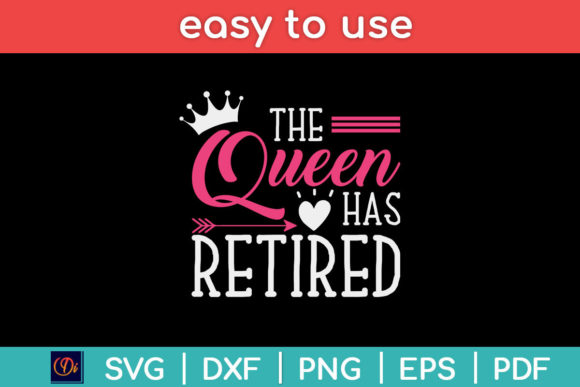
For small shop product creators, the file package included with this download is robust. You receive a ZIP folder containing DXF, SVG, Transparent PNG, EPS, and Ai files, all at 300dpi. This variety is essential for a modern digital embroidery file workflow. The SVG and Ai files allow for easy scaling and color adjustment before you even begin the digitizing process, while the PNG is perfect for creating printable mockup previews for your online store.
However, it is important to note that these are primarily graphic files. If you are looking for a pre-digitized machine embroidery design in PES or DST format, you may need to convert these vectors using your preferred software. This extra step is actually a benefit for experienced designers, as it allows you to control the stitch types and underlay according to your specific machine’s requirements. It ensures that your commercial embroidery output meets your quality standards rather than relying on a one-size-fits-all digitization.
Practical Designer Notes
Before you commit to a large batch of holiday embroidery or boutique inventory, follow these practical steps:
- Test on scrap fabric: Always stitch out a sample on the exact material you plan to use for the final product. This reveals any tension issues or color clashes.
- Check contrast: View your design in black and white to ensure the shapes remain distinct without color reliance.
- Verify licensing: While this is a commercial-friendly asset, always double-check the specific license terms provided by the creator to confirm you can sell finished items.
- Mind the hoop size: Ensure your design fits comfortably within your hoop with adequate margin for stabilization.
- Inspect small details: Zoom in on the vector files to check for any stray nodes or open paths that could cause stitching errors.
In conclusion, this Printable Funny T-Shirt Design is a solid, versatile asset for any designer’s toolkit. It bridges the gap between digital humor and tactile craft, offering a reliable foundation for custom apparel and handmade product lines. With careful attention to fabric choice and stitch density, it can elevate your offerings and bring a smile to your customers’ faces. It is not just a graphic; it is a starting point for creative expression that respects the constraints and possibilities of embroidery.