Reviewing the Best Dad T-Shirt Design for Embroidery
As a designer who has spent years digitizing and reviewing machine embroidery design files, I approach every new asset with a critical eye. It is not enough for a graphic to look good on a screen; it must translate flawlessly into thread. Recently, I evaluated the Best Dad T-shirt Design, specifically the "Father Figure" concept, to determine its viability for real-world commercial and personal projects. This review breaks down how this specific Graphics asset performs when moved from digital preview to physical stitch.
First Impressions and Visual Personality
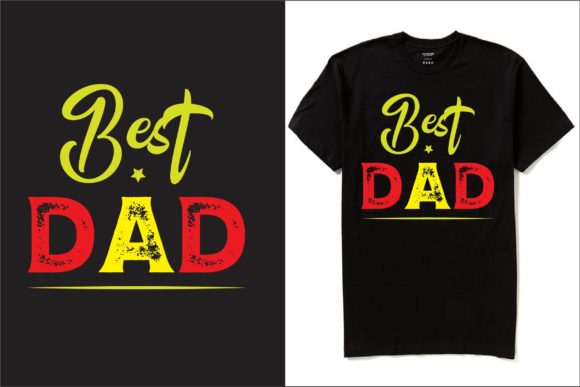
The immediate appeal of the Best Dad T-shirt Design lies in its balanced humor and clean layout. The "Father Figure" theme suggests a playful yet respectful tone, which is crucial for gift-based markets. Visually, the design avoids the clutter that often plagues novelty prints. For an embroidery specialist, this simplicity is a blessing. Complex gradients and tiny details often get lost in translation, but this design relies on strong shapes and clear typography.
The mood is lighthearted but professional. It does not feel like a cheap clip-art addition. Instead, it possesses a visual personality that suggests quality. When I imagine this stitched out, I see a piece that enhances the garment rather than overwhelming it. This is essential for T-Shirt Designs intended for adult wearers who want subtle wit rather than loud, juvenile graphics.
Real-World Application: The Custom Sweatshirt Test
To truly test the Best Dad T-shirt Design, I mentally placed it on a mid-weight cotton blend sweatshirt. This is a common request for small business owners and Etsy sellers during the holiday season. The design’s structure holds up well on textured fabrics. Unlike delicate lace patterns that might sink into fleece or terry cloth, the bold lines of this father-themed graphic remain visible and crisp.
I also considered its use on a canvas tote bag design. Here, the durability of the stitch becomes paramount. A dad carrying groceries or gym gear needs a design that won’t fray after a few washes. Because this embroidery file appears to utilize solid fills and clear outlines, it suggests a robust stitch path. However, without seeing the actual digitization, one must assume that proper underlay stitches are necessary to prevent puckering on heavy canvas.
Versatility Across Product Lines
This design is not limited to apparel. Its adaptability makes it a strong candidate for various handmade product lines:
- Embroidered Patch: The self-contained nature of the graphic works well for iron-on or sew-on patches, allowing customers to add personality to jackets or hats.
- Aprons: A popular gift for fathers who cook. The design centers well on the bib of an apron, creating a focal point that is both functional and decorative.
- Pillow Covers: For home decor, this can serve as a subtle accent. Using a contrasting thread color against a neutral linen background creates a sophisticated look.
- Caps and Hats: While possible, curved surfaces require careful hooping. The design’s width must be checked against standard cap frames to ensure no distortion occurs at the edges.
Technical Considerations for Stitching
While the visual appeal is high, technical execution determines the success of the finished product. When working with any digital embroidery file, you must consider stitch density. If the design uses dense fill stitch areas, it may pull on lightweight fabrics. I recommend testing on scrap fabric first, especially if you are using thin cotton or rayon blends.
For dark fabrics, thread color contrast is vital. The "Father Figure" text needs to pop. If you are using white thread on black, ensure your machine tension is calibrated to prevent the backing from showing through. Conversely, on light fabrics, using a matching or slightly darker thread can create a tonal, elegant effect. Always check whether the design includes satin stitch borders, as these provide a clean finish and protect the edges of the fill areas from fraying over time.
Challenges with Small Details
One area requiring caution is any fine lettering or intricate corners within the design. Tiny details can become bulky when stitched. If the Best Dad T-shirt Design includes small punctuation or thin lines, they may merge together if the needle size is too large or the stabilizer is insufficient. I advise using a cut-away stabilizer for stretchy garments like t-shirts to maintain shape integrity. For woven fabrics like aprons, a tear-away stabilizer may suffice, but always test first.
Additionally, be mindful of hoop size. Ensure the design fits comfortably within your hoop with adequate margin for the frame grips. Trying to squeeze a large design into a small hoop can cause registration errors and uneven stitching.
Commercial Viability and Brand Value
For craft business owners, the value of a design lies in its ability to sell. The Best Dad T-shirt Design targets a perennial market: fathers. Whether for Father’s Day, birthdays, or holidays, dad gifts are a staple. Using a high-quality, humorous design builds customer trust. Buyers can instantly recognize the effort put into a personalized gift when the embroidery is clean and professional.
This design supports brand consistency for shops specializing in family-oriented custom apparel. It fits seamlessly alongside other family role designs, creating a cohesive collection. When used in printable mockup previews for online listings, the clarity of the original graphic ensures that digital representations look appealing, driving higher buyer engagement.
Practical Designer Notes
Before launching this design into your production line, consider these practical steps:
- Verify File Formats: The product description mentions editable source files and CMYK print-ready files. Ensure you have the correct embroidery file format for your machine (e.g., PES, DST, JEF). Do not assume compatibility; check the specific extensions provided.
- Check Licensing: Confirm whether the license allows for commercial use. Some designers permit selling finished items but restrict the resale of the digital file itself. Clarify this before listing products on Etsy or at craft fairs.
- Test Thread Colors: Run a sample on both light and dark fabrics. Adjust thread colors to match your brand palette or seasonal trends.
- Inspect Stitch Path: If you have access to editing software, review the stitch sequence. Look for unnecessary jumps or trims that could slow down production.
- Evaluate Wash Durability: Wash a test sample multiple times. Check for thread breakage or fabric distortion. This step is crucial for maintaining a reputation for quality.
Final Verdict
The Best Dad T-shirt Design is a strong contender for any designer’s library. It balances humor with aesthetic cleanliness, making it suitable for a wide range of commercial embroidery projects. While it requires standard technical precautions regarding stabilizer and thread choice, its fundamental structure is sound. For small shop product lines aiming to capture the gift market, this design offers a reliable, engaging option that translates well from screen to stitch. Just remember to respect the technical limits of your machine and fabric, and always prioritize a test run before committing to bulk production.