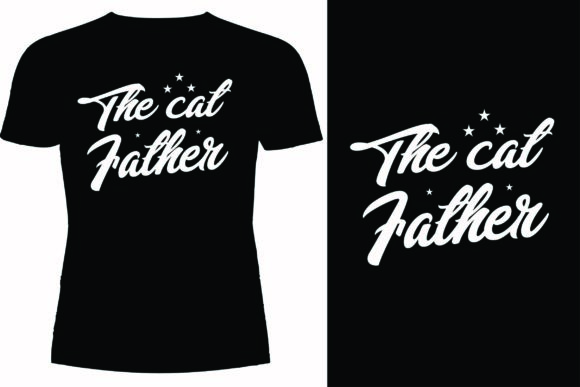
Reviewing The Cat Father T-Shirt Design for Embroidery
As a designer who spends more time staring at stitch previews than actual fabric, I have learned that not every graphic translates well to thread. When I first pulled up The Cat Father T-shirt Design, my initial reaction was one of cautious optimism. The concept—a humorous take on the "father figure" trope featuring a feline protagonist—is undeniably charming and marketable. However, charm does not always equal stitchability. My job is to determine if this asset is merely a cute picture or a viable machine embroidery design that can withstand the rigors of real-world production.
First Impressions and Visual Personality
The mood of this piece is lighthearted and whimsical, tapping into the massive cultural love for cats and the enduring appeal of dad jokes. Visually, the layout appears balanced, with a central character focus that draws the eye immediately. For an embroidery project, this is crucial. If the focal point is too scattered, the stitching loses impact. Here, the silhouette and expression of the cat seem distinct enough to remain recognizable even when reduced in size.
What stands out is the potential for personality. This isn’t just a generic clipart; it has a narrative quality. For Etsy sellers and craft business owners, this narrative is what drives engagement. Customers are not just buying a shirt; they are buying a joke, a sentiment, and a bit of identity. The design’s visual personality suggests it would work beautifully on casual wear, where humor and comfort intersect.
Real-World Application: From Screen to Stitch
To test the viability of The Cat Father T-shirt Design, I imagined a specific scenario: a custom order for a new father who is notoriously obsessed with his rescue cat. The client wanted a high-quality personalized gift that felt boutique rather than mass-produced. I envisioned this design stitched onto a heather grey crewneck sweatshirt.
In this context, the design performs well. The bold lines likely translate effectively into satin stitch borders or clean running stitch outlines, depending on the level of detail in the source file. On a medium-weight cotton blend, the texture of the thread adds a tactile dimension that flat printing cannot achieve. The humor lands better when it feels handmade and intentional.
Beyond apparel, this graphic has versatility. I could see it adapted as an embroidered patch for a denim jacket or a canvas tote bag design. For a small shop product, offering this as an add-on to a standard tote increases the perceived value significantly. It transforms a utility item into a conversation starter. However, because the product description mentions it is a high-resolution picture and editable source file, we must be careful. A print-ready CMYK file is not an embroidery file. You will need to digitize this properly or ensure the provided digital assets include true stitch data.
Navigating Technical Challenges
While the aesthetic is strong, practical application requires scrutiny. Where should you use this design carefully? First, consider the hoop size. If the design includes intricate facial features or small text elements, shrinking it for a baby onesie or a cap might cause those details to merge into a blob of thread. Always check the minimum recommended size before committing to a small baby embroidery project.
Second, think about fabric texture. This design likely relies on clear contrasts. On a fluffy towel or a highly textured knit, fine details may get lost. I recommend using a cut-away stabilizer for stretchy fabrics like t-shirts to prevent puckering, which can distort the cat’s features and ruin the comedic timing of the image. For dark fabrics, ensure your thread colors have enough contrast. A black cat on a navy shirt will vanish unless you use strategic highlighting or underlay stitches to define the shape.
Also, be wary of dense stitch areas. If the original graphic has large solid blocks of color, converting them directly to fill stitch without proper density reduction can make the garment stiff and uncomfortable. No one wants to wear a cardboard-like patch on their chest. Adjust your digitizing settings to balance coverage with flexibility.
Impact on Brand and Customer Trust
For commercial embroidery professionals, the quality of the final stitch-out reflects directly on your brand. A clean, well-digitized version of The Cat Father T-shirt Design signals professionalism. It shows that you care about the longevity of the finished product. Conversely, a poorly executed version with loose threads or misaligned colors can damage customer trust.
This design fits seamlessly into a broader catalog of T-Shirt Designs and Graphics aimed at pet lovers. It enhances brand consistency if your shop specializes in humorous, family-oriented items. When customers see a crisp, vibrant execution, they are more likely to return for future holiday embroidery needs or custom apparel requests. It builds a reputation for quality that goes beyond the initial sale.
Practical Notes for the Designer
Before you load this into your machine, take these steps:
- Test on scrap fabric: Never run a new design on the final garment. Use a similar weight and weave to check for puckering or thread breaks.
- Check thread contrast: View your design in black and white. If the details disappear, you need to adjust your color palette or stitch types.
- Verify file formats: The description lists high-resolution pictures and source files. Ensure you have the actual digital embroidery file format compatible with your machine (such as PES, DST, or EXP) before starting.
- Review licensing: Confirm whether the license allows for commercial use. As an Etsy seller or boutique owner, you need to know if you can sell finished items made with this design.
- Inspect small details: Zoom in on the digitized preview. Look for unnecessary jump stitches or overly dense areas that might cause needle heat issues.
In conclusion, The Cat Father T-shirt Design holds significant promise for creative entrepreneurs. It is not just a graphic; it is a tool for connection. With careful attention to digitizing quality, fabric choice, and stitch technique, it can become a standout item in your handmade product lineup. Treat it with the respect a good joke deserves, and it will pay dividends in customer smiles and sales.