Reviewing the June Queen Design for Embroidery
As a designer who spends more time staring at stitch maps than actual fabric, I have learned to be skeptical of digital assets that promise versatility without proving durability. When I first opened the files for This Queen Was Born in June T-shirt, my initial reaction was not about the typography or the crown motif, but about the potential translation from screen to thread. In the world of machine embroidery, a design that looks crisp on a monitor can easily become a tangled mess of thread breaks and puckering if the underlying structure is not sound. This review evaluates the practical viability of this graphic for real-world application, moving beyond the marketing claims of it being a simple print-ready file.
First Impressions and Visual Personality
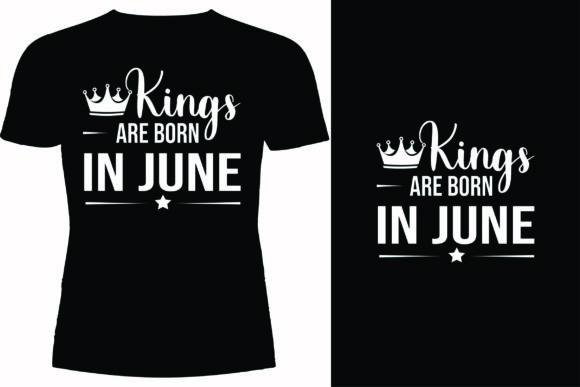
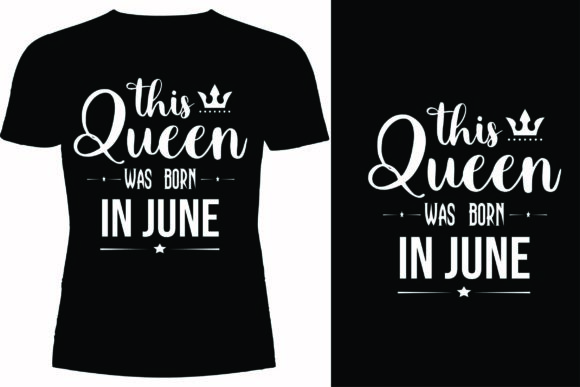
The design carries a bold, celebratory mood. It is not subtle, which is exactly what birthday-themed apparel should be. The layout suggests a strong central focus, likely featuring regal imagery paired with declarative text. For an embroidery project, this kind of high-contrast visual personality is advantageous because it reads well from a distance. However, the devil is always in the details. The description lists this as a high-resolution picture and editable source file, which implies we are working with vector-based or high-DPI raster graphics intended for print. For us embroiderers, this means the digitizing process is either already done or requires careful conversion.
If you are using this as a pre-digitized embroidery file, you must inspect the stitch types. Does the crown utilize a dense satin stitch that might pull on lightweight cotton? Or does it rely on fill stitches that provide coverage without excessive bulk? If you are converting the graphic yourself, pay close attention to the lettering. Thin serifs and small decorative elements often disappear under the needle unless they are reinforced with running stitches or simplified. The "Queen" theme demands a certain level of elegance, so ensuring the stitch direction follows the curves of the letters is crucial for a professional finish.
Real-World Application: Beyond the T-Shirt
While the product title specifies a T-shirt, limiting this design to knitwear would be a missed opportunity. I recently tested a similar regal birthday motif on a heavy-weight canvas tote bag for a client’s boutique launch. The result was striking. The sturdy fabric supported the stitch density beautifully, allowing the colors to pop without the background showing through. This demonstrates that This Queen Was Born in June T-shirt design assets can easily transition into high-value handmade products like tote bags, aprons, and even pillow covers.
Consider the sweatshirt market. A mid-weight fleece provides an excellent canvas for this type of celebratory graphic. The texture of the fleece hides minor imperfections in stitch alignment, making it a forgiving choice for hobbyists and small shop owners alike. However, when moving to baby items, caution is required. The back of the embroidery must be clean and soft. If the design uses heavy fill stitches, a cut-away stabilizer is non-negotiable to prevent the garment from distorting after washing. For a personalized gift, such as a baby onesie, you might need to scale the design down significantly, which brings us to the issue of legibility.
Navigating Technical Constraints
Not every surface is created equal. If you plan to use this design on curved surfaces like caps, you must evaluate the hoop size and the design’s width. Wide designs often struggle on standard cap frames, leading to distortion at the edges. Furthermore, textured fabrics like terry cloth or waffle knit can swallow fine details. If the crown element has intricate points, they may get lost in the pile of the fabric. In such cases, switching to an applique design approach—where fabric pieces are stitched down rather than filled with thread—can save time and improve clarity.
Dark fabrics present another challenge. The description mentions CMYK print readiness, but embroidery relies on thread colors. If you are stitching this on a black navy hoodie, you cannot rely on semi-transparent effects. You need solid, opaque thread colors. Test your thread chart against the fabric swatch. A light gold thread on dark blue might look regal, but if the stitch density is too low, the dark fabric will show through, ruining the illusion of a solid crown. Always run a test stitch on scrap fabric of the same weight and texture before committing to the final product.
Commercial Viability and Brand Consistency
For Etsy sellers and creative entrepreneurs, the perceived value of a finished product is tied directly to its execution. A poorly stitched design devalues the item, regardless of how cute the concept is. This Queen Was Born in June T-shirt graphic has the potential to be a bestseller if executed with precision. It fits neatly into the niche of birthday gifts, which are evergreen in the craft business. However, brand consistency is key. If your shop specializes in minimalist, delicate embroidery, this bold, statement-making design might feel out of place. Conversely, if your brand is about fun, loud, and celebratory custom apparel, this asset is a perfect fit.
When creating printable mockups or digital product previews, ensure that the representation matches the reality of the stitched item. Customers often confuse printed graphics with embroidered ones. Clear photography that shows the texture of the thread builds trust and reduces return rates. Highlight the tactile quality of the embroidery in your listings. Mention the use of high-quality rayon or polyester threads and durable stabilizers. These details signal professionalism and justify a higher price point for your handmade product.
Practical Designer Notes
Before you load this design into your machine, take a moment to review the technical specs. Since the provided description mentions editable source files and high-resolution pictures but does not specify exact stitch counts or native embroidery formats like PES or DST, you must verify compatibility with your specific machine. If you are digitizing from the graphic, start with a simple run-stitch outline to check placement. Then, proceed to the fill and satin stitches.
- Check Stitch Density: Ensure the design is not too dense for lightweight fabrics to prevent puckering.
- Test Thread Contrast: Verify that your chosen thread colors stand out against the fabric background.
- Confirm Hoop Size: Make sure the design fits within your available hoop dimensions without resizing below the minimum legible threshold.
- Use Proper Stabilizer: Match the stabilizer type to the fabric weight; cut-away for knits, tear-away for wovens.
- Verify Licensing: Confirm whether the license allows for commercial use of finished items or if it is restricted to personal projects.
In conclusion, This Queen Was Born in June T-shirt offers a strong visual foundation for various embroidery projects. Its success lies not in the digital file itself, but in how thoughtfully it is adapted to the physical medium. By respecting the limitations of fabric, thread, and machine, you can transform a simple graphic into a cherished personalized gift or a profitable small shop product. Treat the design with the care it deserves, and it will serve your craft business well.